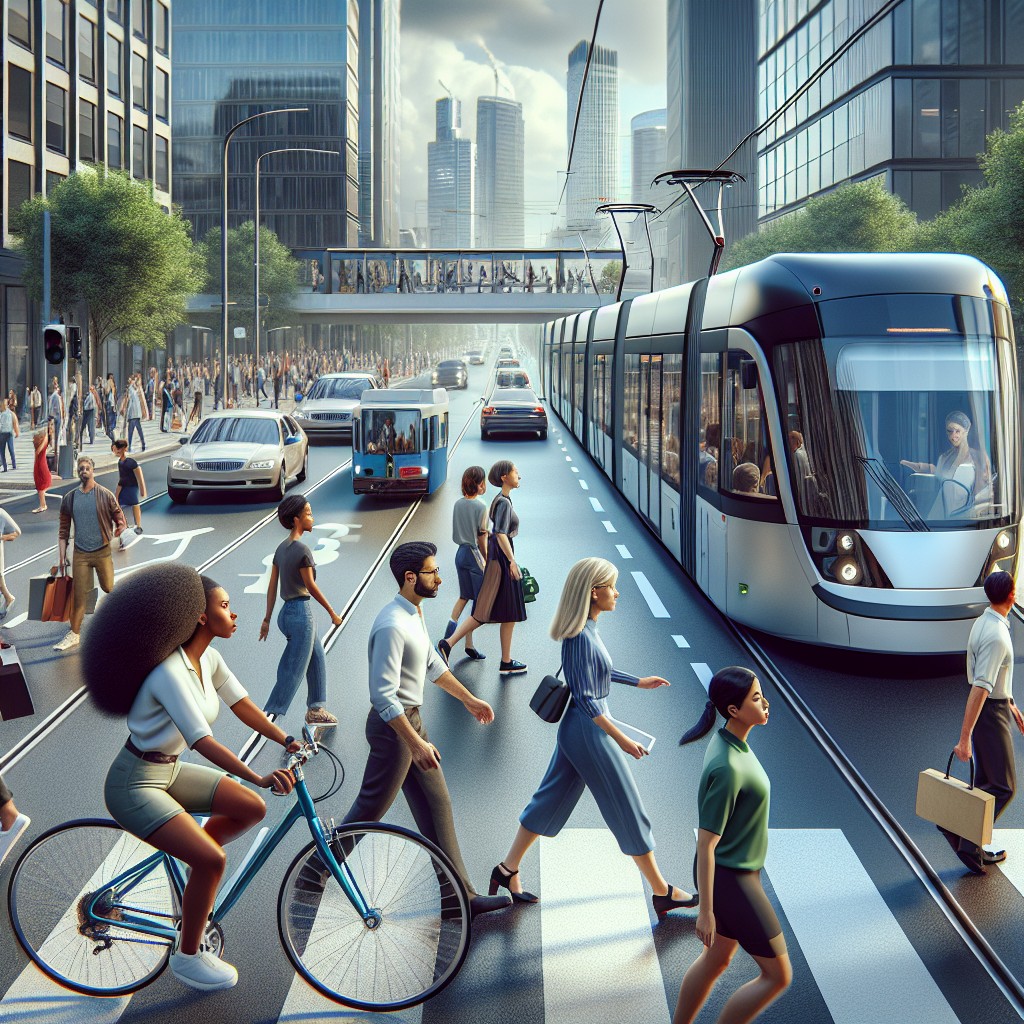
Urban mobility has become a critical aspect of city life, influencing the efficiency and quality of daily commuting for millions around the world. As cities continue to expand, urban transit systems face increased pressure to deliver safe, efficient, and accessible transportation options. Simple changes at both individual and policy levels can significantly improve the urban commuting experience, reducing congestion and environmental impact.
Embracing Multimodal Transportation
One effective way to enhance urban mobility is by encouraging the use of multiple transportation modes. Combining walking, cycling, public transit, and car-sharing services allows commuters to choose the most efficient and sustainable options for each segment of their journey. Many cities have invested in bike-sharing programs and pedestrian-friendly infrastructure to support this shift. Integration between different modes reduces travel time and creates a more adaptable urban transit network.
Improving Public Transit Accessibility and Reliability
Accessible and dependable public transit remains the backbone of urban mobility in many metropolitan areas. Investments in real-time information systems, increased service frequency, and expanded coverage can make public transit a more attractive option for daily commutes. Ensuring accessibility for people with disabilities and providing affordable fare structures are essential steps that encourage wider use of the transit system. Enhancements like dedicated bus lanes decrease delays caused by traffic, reinforcing commuter confidence in public transit.
Implementing Traffic Management Technologies
Modern traffic management tools can help alleviate congestion and enhance the flow of vehicles within urban environments. Technologies such as adaptive traffic signals, congestion pricing, and intelligent transportation systems optimize traffic patterns and encourage off-peak commuting. By leveraging data analytics and connectivity, city planners can manage demand more effectively, thus improving the overall quality of urban transit.
Promoting Remote Work and Flexible Hours
The COVID-19 pandemic accelerated the adoption of remote work, which has lasting implications for urban transit. Flexible work schedules and telecommuting reduce peak-hour demand on transit systems, easing crowding and strain during rush periods. Employers supporting flexible arrangements contribute to more balanced urban traffic volumes, which benefits all commuters by decreasing travel times and enhancing safety.
Encouraging Sustainable Urban Planning
Urban transit improvements are closely tied to land use and urban design. Cities that prioritize mixed-use developments, green spaces, and proximity to transit hubs facilitate shorter and more transit-friendly trips. Proper urban planning reduces dependency on private vehicles, fosters walkability, and supports the integration of multiple transit modes. Long-term mobility solutions depend on thoughtful urban design that aligns with public transit development.
In summary, enhancing urban mobility does not necessarily require complex technological breakthroughs but rather coordinated efforts across various sectors. By embracing multimodality, improving public transit, utilizing traffic management technologies, supporting flexible work arrangements, and promoting sustainable urban planning, cities can make significant strides in improving daily commuting. As urban areas continue to evolve, these practical changes will be essential to create more efficient, accessible, and environmentally responsible transit systems. For additional authoritative perspectives on urban transit, global organizations emphasize the importance of integrated strategies. Similarly, trusted news platforms such as The New York Times’ transportation section provide ongoing coverage of advancements and policy developments relevant to urban transit.
Frequently Asked Questions about urban transit
What is urban transit and why is it important for cities?
Urban transit refers to the various transportation systems and services used for commuting within cities. It is important because it enables efficient movement, reduces traffic congestion, and lowers environmental impact.
How can individuals contribute to improving urban transit?
Individuals can support urban transit by choosing sustainable commuting options such as public transportation, walking, or cycling, and by planning trips that combine multiple modes effectively.
What role does technology play in enhancing urban transit?
Technology improves urban transit through real-time tracking, adaptive traffic control systems, and mobile apps that provide schedules and route planning, making commuting more efficient and user-friendly.
How does flexible work scheduling impact urban transit systems?
Flexible work hours reduce peak-time demand on transit systems, decreasing overcrowding and traffic jams, which leads to a smoother transit experience for all users.
What strategies do cities use to make urban transit more accessible?
Cities improve urban transit accessibility by expanding service coverage, reducing fares, ensuring facilities accommodate people with disabilities, and providing clear transit information.